Ambe Steels | Jay Ambe Steels

Ambe Steels Ltd. and Jay Ambe Steels Ltd. are two of Nepal’s largest and most trusted steel manufacturers, jointly operating under the single brand “Ambe.”
- Ambe Steels Ltd. — Established in 2009, located in Bhairahawa, with a production capacity of 400 TPD.
- Jay Ambe Steels Ltd. — Established in 2019, located in Nepalgunj, with a production capacity of 1000 TPD.
Together, both plants have a combined production capacity of 1,400 metric tons per day, supplying high-strength TMT rebars and other steel products across Nepal.
What are TMT Steel Rebars?
TMT rebars (Thermo-Mechanically Treated rebars) are the backbone of modern construction, combining strength, flexibility, and durability. Manufactured using advanced Thermex technology, TMT rebars undergo a unique process of rapid cooling and self-tempering that gives them a tough outer surface with a ductile core.
These characteristics make TMT rebars ideal for withstanding heavy loads, resisting earthquakes, and ensuring long-lasting structural integrity. Their superior bendability also allows for easy fabrication and efficient use at construction sites.

Key Properties
- High Strength: Guaranteed yield strength of 500 N/mm², suitable for large-scale infrastructure and high-rise projects.
- Ductility: Flexible core provides excellent bendability without compromising strength.
- Corrosion Resistance: Advanced manufacturing reduces surface impurities and improves resistance to rust.
- Earthquake Resistance: Superior elongation properties make them highly resilient to seismic forces.
- Cost-Effective: Reduced steel consumption due to higher strength leads to lower overall construction costs.

Applications
- Residential and commercial buildings
- Bridges, highways, and flyovers
- Industrial and hydro projects
- High-rise towers and urban infrastructure
With their proven performance, Ambe Steels and Jay Ambe Steels TMT rebars are trusted across Nepal for delivering reliability, safety, and value in every project.
We Manufacture
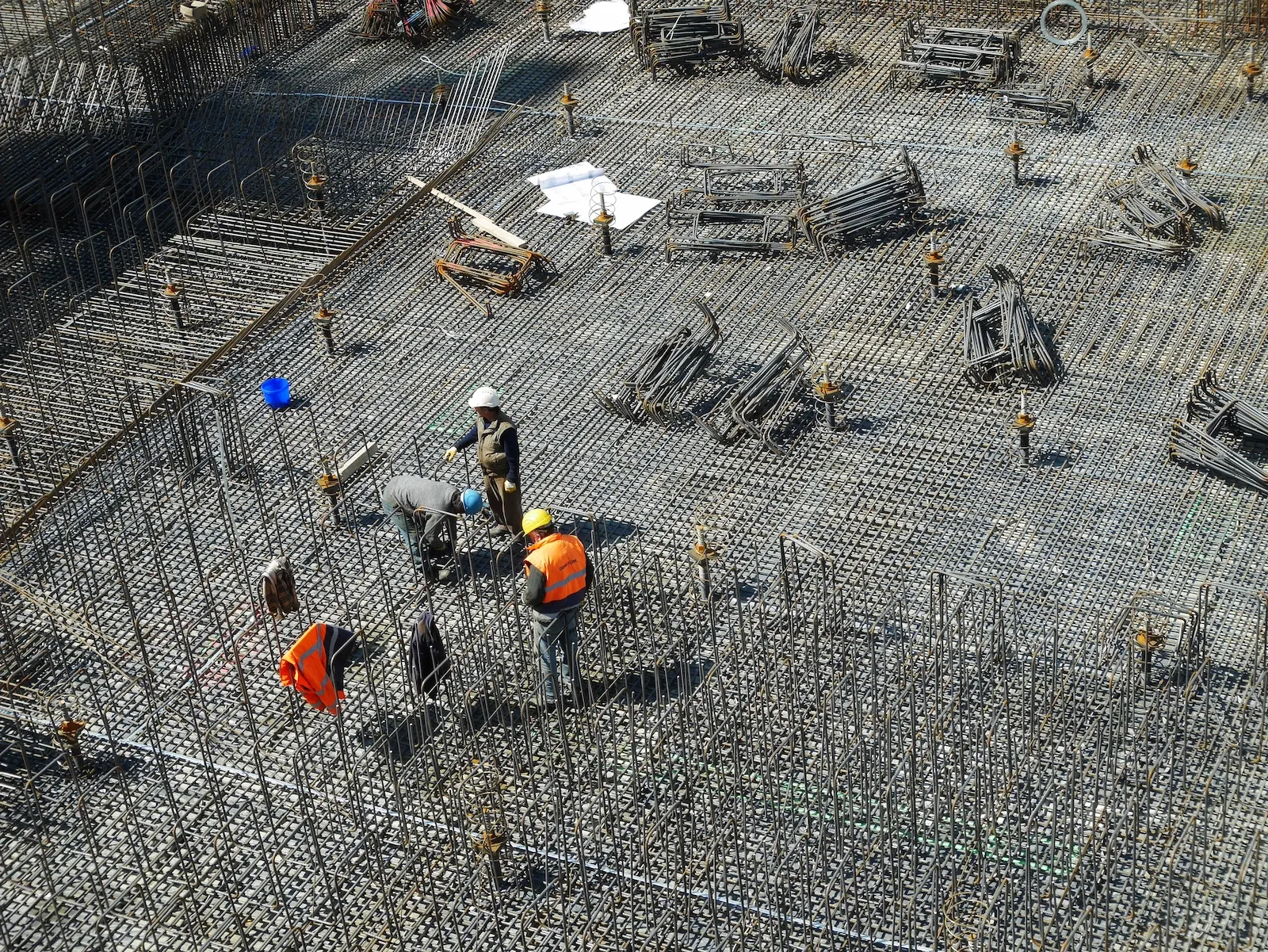
TMT Steel Rebars
Our premium TMT reinforcement bars are manufactured to deliver unmatched strength, advanced ductility, and a guaranteed yield point of 500 N/mm². Designed specifically for heavy-duty civil engineering, they ensure the absolute structural integrity and longevity of your most critical construction projects.
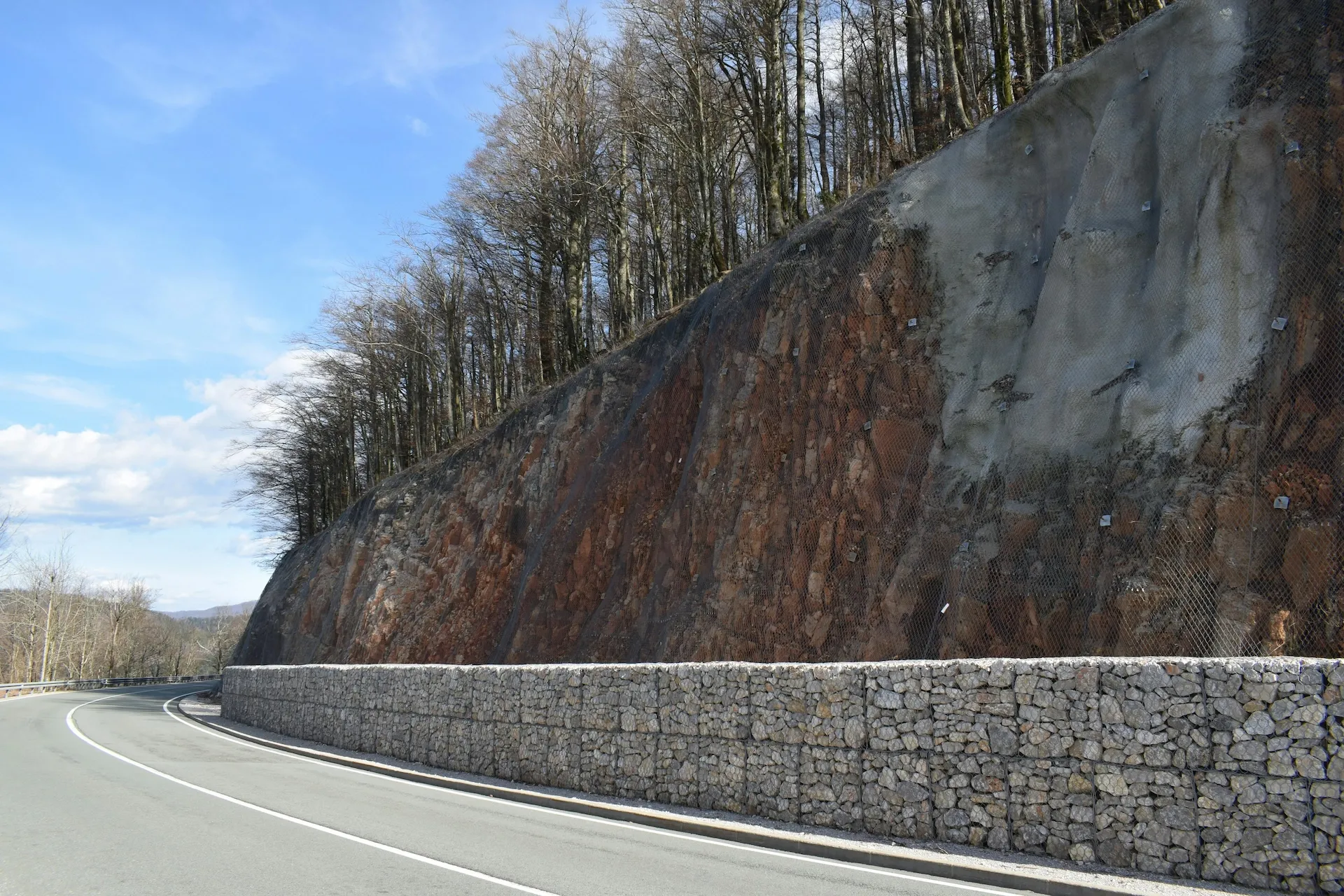
Gabion Mesh & GI Wire
Engineered for maximum durability, our galvanized gabion boxes and GI wires provide robust, flexible solutions for heavy construction and infrastructure development. Manufactured to strict quality standards, these high-strength wire mesh structures offer exceptional structural integrity for retaining walls, slope stabilization, and advanced erosion control.